Think about the last wedding, party or family dinner you went to. How much food was left on the plates at the end? How much went straight into the bin?
Now think about a child sleeping on a footpath a few kilometres away, who did not get a single proper meal that day. Both of these things are happening in our cities, every single day.
Utna hi lo thali mein, vyarth na jaaye naali mein.
A saying every Indian home should live by
Take only as much as you need, so nothing goes down the drain.
The numbers are hard to believe
According to the UN Environment Programme’s Food Waste Index Report 2024, the world wasted about 1.05 billion tonnes of food in a single year. Around 60% of it was wasted in our homes, not in restaurants or shops.
In India, households throw away about 55 kg of food per person every year. Across the country, that adds up to more than 78 million tonnes.
At the same time, the UN’s latest State of Food Security and Nutrition in the World report says that about 645 million people faced hunger in 2025. Close to 19 crore people in India are still undernourished, according to UN estimates.
So the problem is not only that there is too little food. Food is not reaching the people who need it, and a lot of it is ending up in the bin.
Why every grain matters
Behind every plate of food there is a farmer’s hard work, water, electricity, transport and someone’s time in the kitchen. When we throw food away, all of that is wasted too.
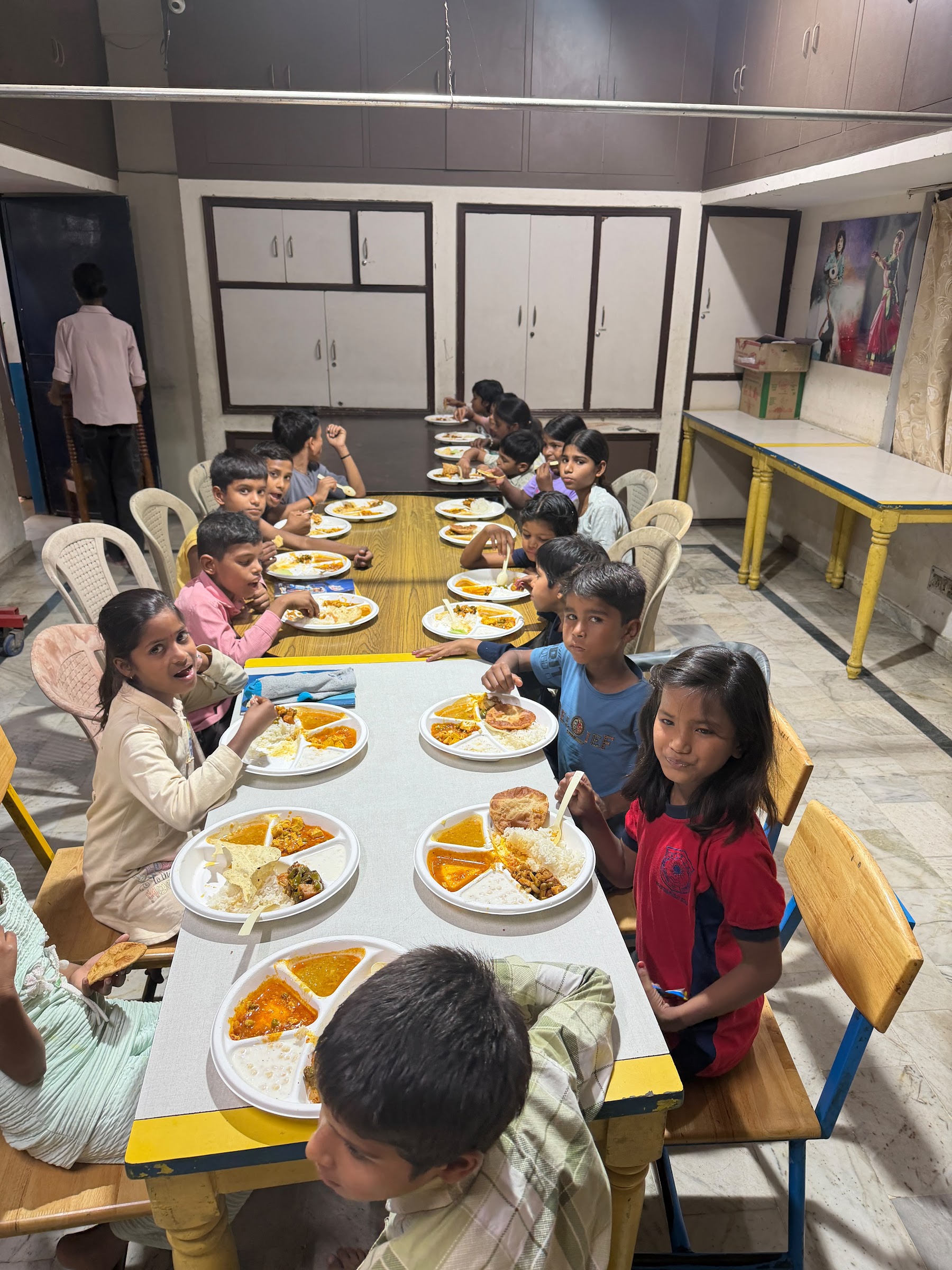
And for a hungry child, the same food means energy to go to school, to play and to think about the future. It is not “just leftovers” for them. It might be the only meal of the day.
Simple ways to stop wasting food at home
- Take small portions. You can always go back for a second helping. Food left on the plate can’t be saved.
- Cook with a plan. Check what is already in the fridge before you shop or cook.
- Store food properly. Cover it, refrigerate it, and use the older items first.
- Reuse leftovers. Yesterday’s rice can become today’s fried rice or kheer. Leftover rotis make great snacks.
- At parties and weddings, tell the caterer the right number of guests and plan for less waste, not more.
Extra food at home? Share it, the right way
Sometimes food is left over even after careful planning. Instead of throwing it away, it can feed someone nearby, like the guard at your gate, a domestic helper’s family, a rickshaw driver or children living near your area. A few simple rules make sure it is safe and respectful:
- Share only clean, untouched food. Never give food that someone has already eaten from (jootha). If it is not good enough for you, it is not good enough for anyone.
- Share it fresh. Give cooked food within a few hours, and never give food that smells or looks spoiled.
- Pack it neatly in a clean box or bag, with a spoon if possible.
- Ask first, and give with respect. A smile and a kind word matter as much as the food.
- For stray animals, plain rice, roti, curd or boiled food is best. Avoid spicy, oily or very salty food, and never give chocolate or onion to dogs.
If you can’t feed a hundred people, then feed just one.
Mother Teresa
Have a lot of extra food? Call us
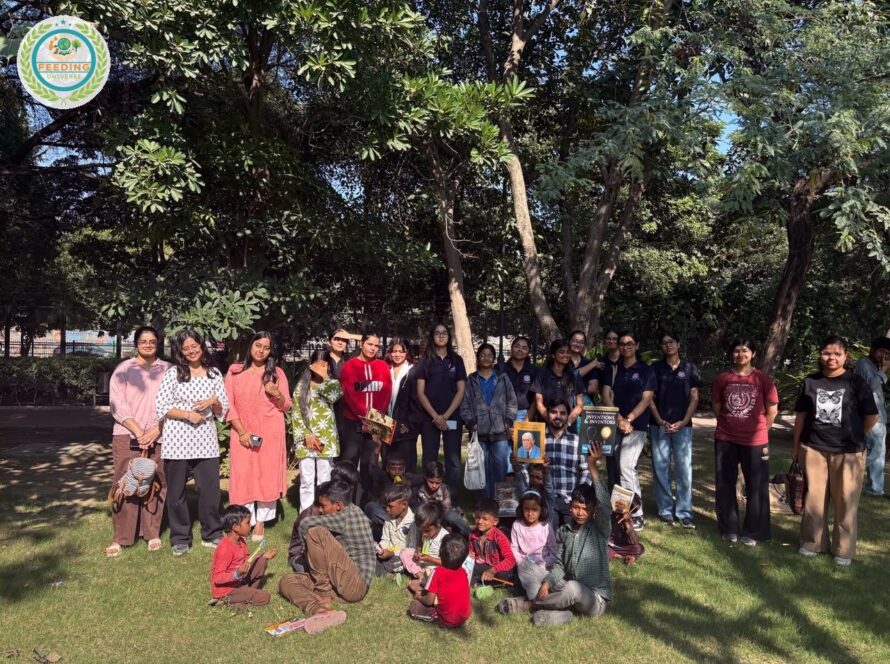
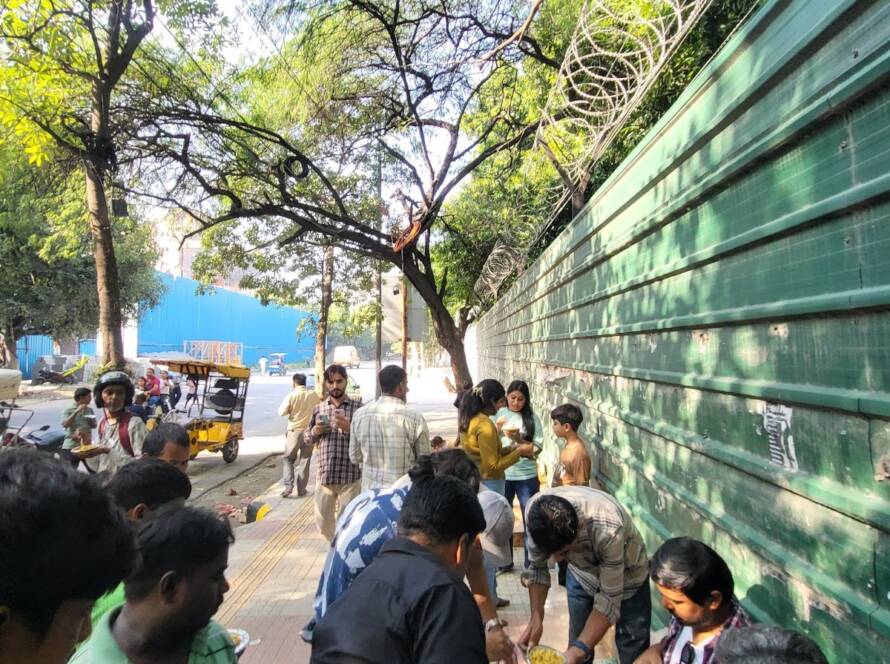
If you have surplus food from a function, party or event that is still fresh and untouched, message us on WhatsApp. Our volunteers will try to help get it to people who need it. You can also join our Sunday food drive, where we serve freshly cooked meals to children and families every week.
Next time you serve yourself, remember: utna hi lo thali mein, vyarth na jaaye naali mein. The food you save today could be someone else’s meal tomorrow.
Sources: UNEP Food Waste Index Report 2024; UN News on the State of Food Security and Nutrition in the World report.
Be part of the next drive
Join us on a Sunday as a volunteer, or donate ration, clothes, stationery or toys. It is free to join, and volunteers get a certificate by email.